
Articles & Resources

Latest articles

How to teach emotional regulation
Evidence‑based guidance from behavior analysts and developmental researchers is consistent: teach regulation when things quite down....


How to help my child manage big feelings
“Big feelings” are normal—but when they show up as explosive anger, shutdown, or constant crying, families feel stuck...
help when I feel overwhelmed
Feeling overwhelmed doesn’t mean you’re failing; it usually means your load is exceeding your nervous system’s capacity...
how to stop toddler from hitting
Lorem ipsum dolor sit amet conse ctetur adip iscing elit justo quis odio sit sit ac port titor sit males dolor sit consectur dolor.

signs of anxiety in children
Lorem ipsum dolor sit amet conse ctetur adip iscing elit justo quis odio sit sit ac port titor sit males dolor sit consectur dolor.....
What is a calm corner & how do I make one?
A “calm corner” is a small space set up specifically to help children regulate their emotions—not a punishment zone...

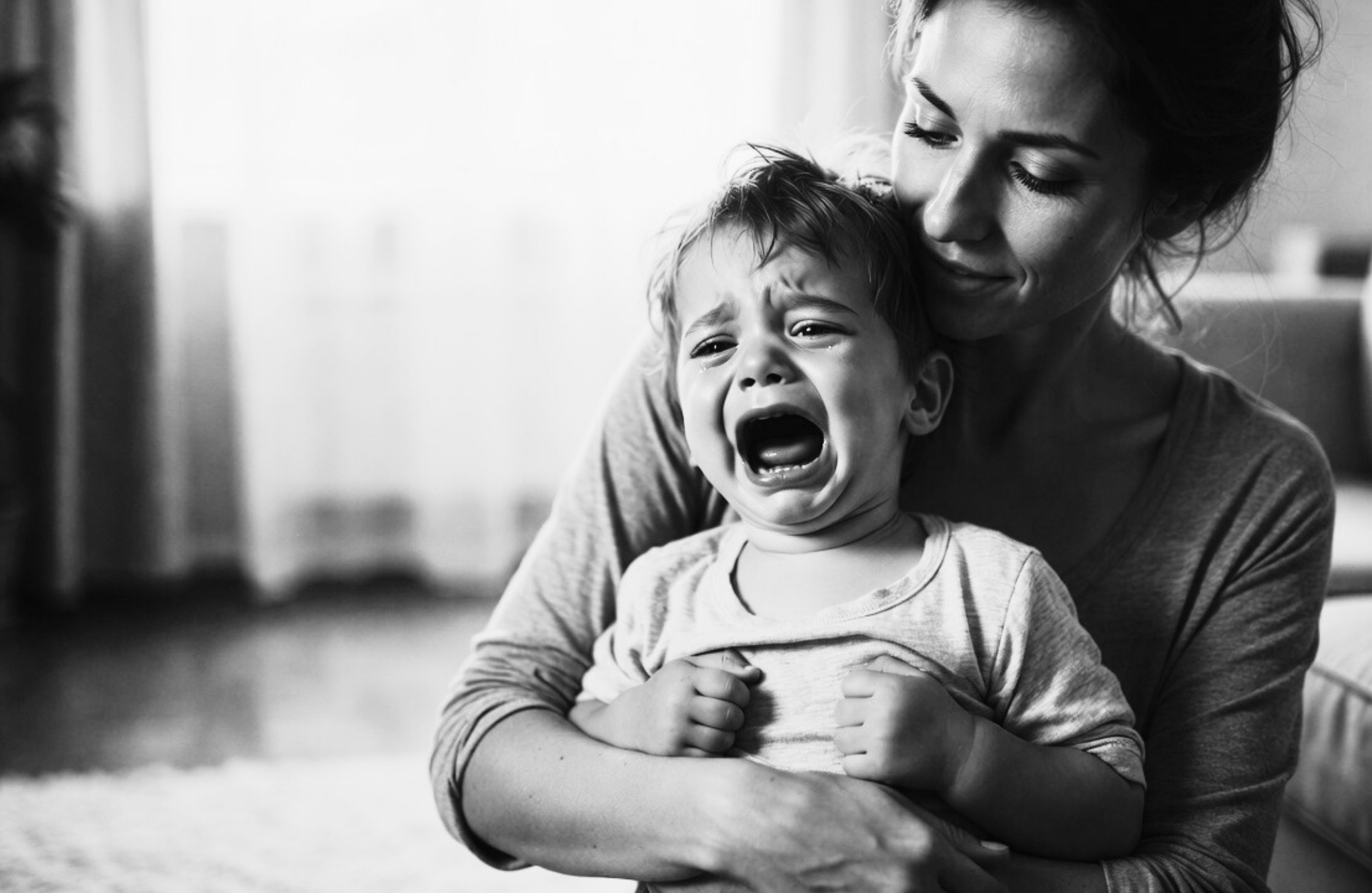
You know that gut-wrenching moment when your 5-year-old melts down, eyes wide with confusion, unable to name the storm inside?
We've all felt it – the fear that traditional education leaves our kids unprepared for life's real battles. Schools teach ABCs and 123s, but who teaches them to navigate joy, sorrow, anger, and fear?
As parents, we pour our hearts into protecting them, yet we ache knowing screens and superficial toys only numb the pain. What if there was a way to nurture their inner world, right now, when it matters most?
A child learns to name feelings the same way they learn to walk—through repetition, encouragement, and the safety of knowing someone believes in them.
When your three-year-old screams because their block tower fell, they're not being difficult. They're experiencing something real and enormous. They just don't have the words yet.
Most parents try to fix it. We say things like "it's okay" or "don't cry" or we rebuild the tower hoping the problem disappears. But the feeling doesn't disappear. It just gets buried.
What if instead, you sat beside them and said, "I see you're frustrated. That's a big feeling." Not to make it go away, but to help them understand it. To give it a name. To show them that feelings are normal and that they can survive them.
This is where real learning happens. Not in the naming itself, but in the safety of being understood.
Children who learn to recognize their emotions early develop better coping skills later. They're less likely to act out in anger because they've learned to speak it instead. They sleep better because they understand what their body is telling them. They build friendships more easily because they can recognize when someone else is sad or scared.
The research is clear. The window is narrow. Ages three to five are when emotional awareness takes root.
But here's what parents often miss: you don't need fancy techniques or perfect words. You need consistency. You need a calm presence. You need something that helps your child feel less alone in their big feelings.
"The greatest gift we can give our children is not protection from their emotions, but the language to understand them."
That's why Tinyfeelings exists. Not to replace you, but to support you. To be that calm presence at two in the morning when your child wakes up scared. To help them name what they're feeling so they can move through it instead of getting stuck in it.
The magic isn't in the technology. It's in the moment when your child stops screaming and says, "I'm angry." When they take a deep breath because they've learned how. When they try again after failing because they know they can.
That's the real education. That's what matters.

.avif)